
Marbella Town Centre: The Heart of Marbella’s Year-Round Lifestyle
Marbella Town Centre is one of the Costa del Sol’s most walkable and active residential areas. Discover the lifestyle, property market, beachfront living, Old Town charm, and real estate opportunities in the heart of Marbella.
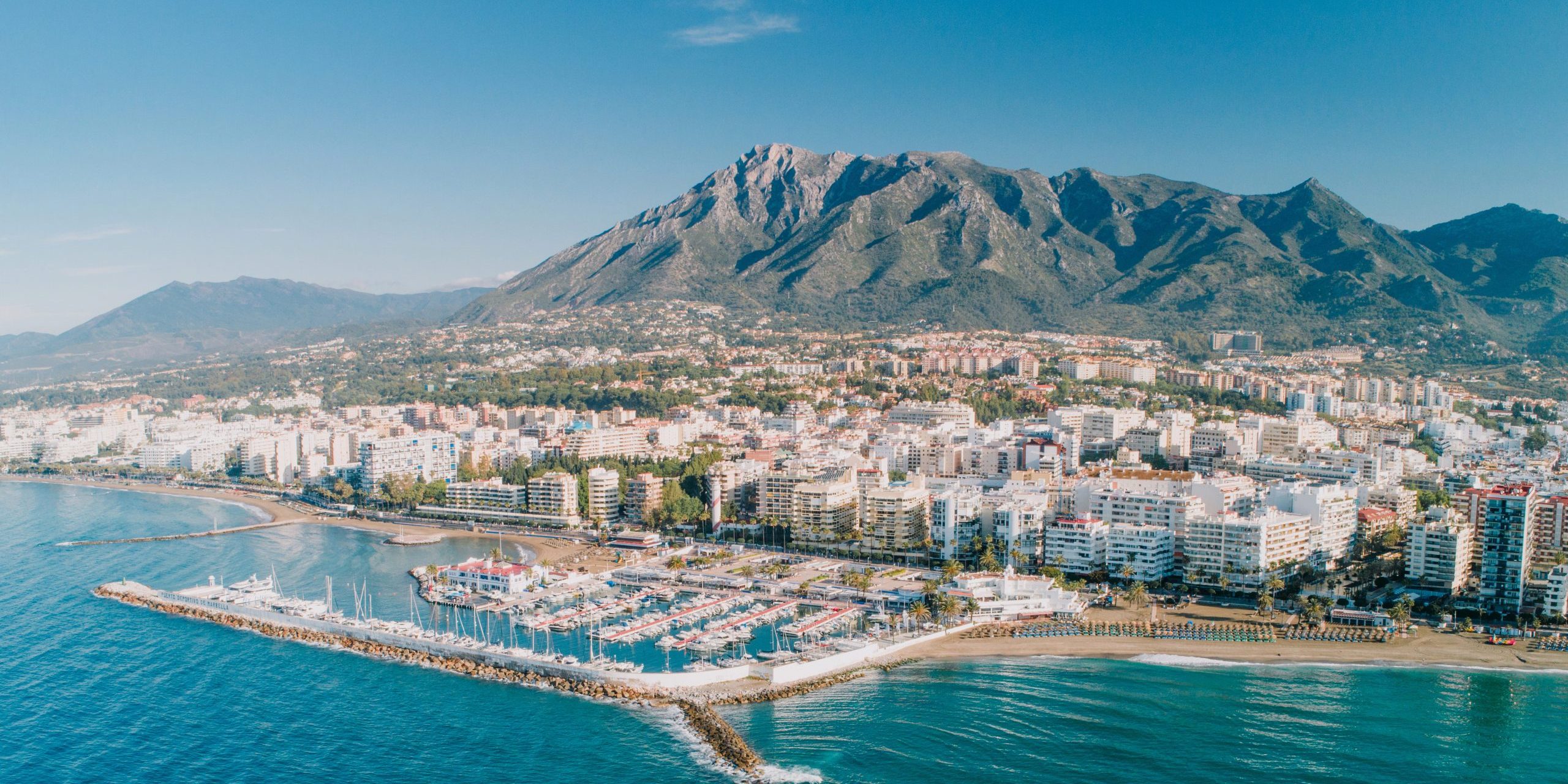
While Marbella is internationally associated with the Golden Mile, Puerto Banús, and hillside villa communities, Marbella Town Centre remains the city’s administrative, cultural, and commercial core. Stretching from the historic Old Town (Casco Antiguo) to the beachfront promenade and central seafront districts, the area offers a markedly different lifestyle from Marbella’s resort-oriented residential enclaves.
For buyers, Marbella Centre appeals primarily through walkability, year-round activity, proximity to the beach, established infrastructure, and a more urban Mediterranean lifestyle. Unlike many residential areas along the Costa del Sol that are heavily seasonal, Marbella Centre functions as a permanent city throughout the year, with full services, schools, healthcare, retail, restaurants, municipal administration, and public transport operating continuously.
The area combines historic Andalusian architecture, beachfront apartment living, renovated townhouses, and modern residential developments, making it one of Marbella’s most diverse property markets.
History & Location
Marbella Town Centre is located along the central coastline of Marbella municipality, positioned east of the Golden Mile and west of Marbella East. The district extends from the Mediterranean beachfront inland toward the historic Old Town and surrounding residential streets.
The origins of Marbella date back centuries, with evidence of Phoenician and Roman settlement in the area. The Old Town retains visible remnants of both Roman and Moorish influence, particularly within sections of the ancient defensive walls and the historic urban layout that still largely follows its post-Reconquest structure. 
At the centre of the Old Town is Plaza de los Naranjos, created shortly after the Christian reconquest in 1485 and still considered the symbolic heart of Marbella. The square is surrounded by historic buildings including the Town Hall, Casa del Corregidor, and Ermita de Santiago. 
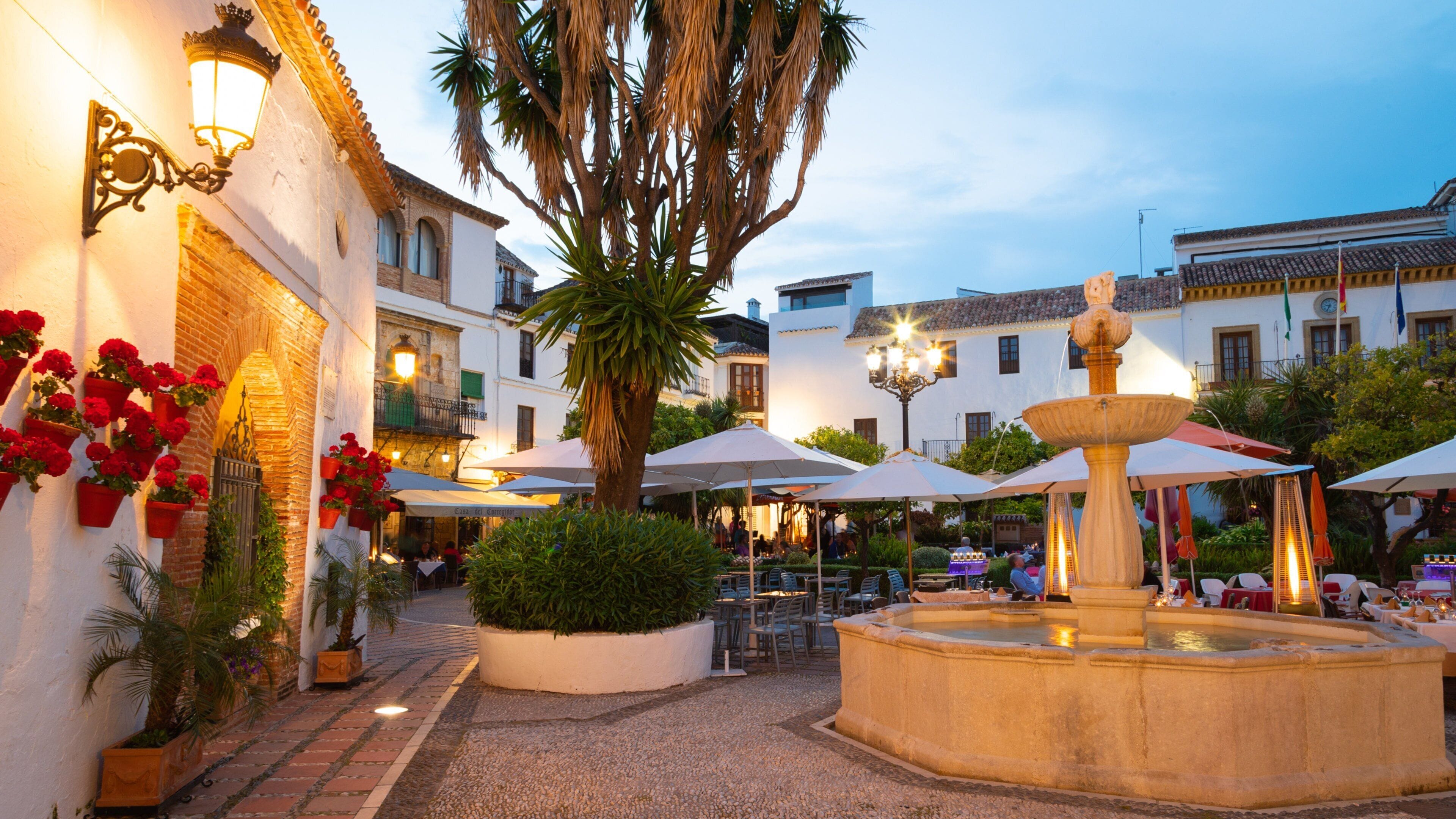
One of the defining characteristics of Marbella Centre is its connection between the historic urban core and the sea. Areas such as Alameda Park and Avenida del Mar create a direct pedestrian axis linking the Old Town to the beachfront promenade. Avenida del Mar is particularly recognised for its collection of Salvador Dalí sculptures positioned between fountains and landscaped public spaces. 
Unlike many purpose-built resort areas on the Costa del Sol, Marbella Centre evolved organically over time, resulting in a denser and more varied urban environment with a mixture of residential, commercial, civic, and hospitality uses.
Subareas
Casco Antiguo (Old Town)
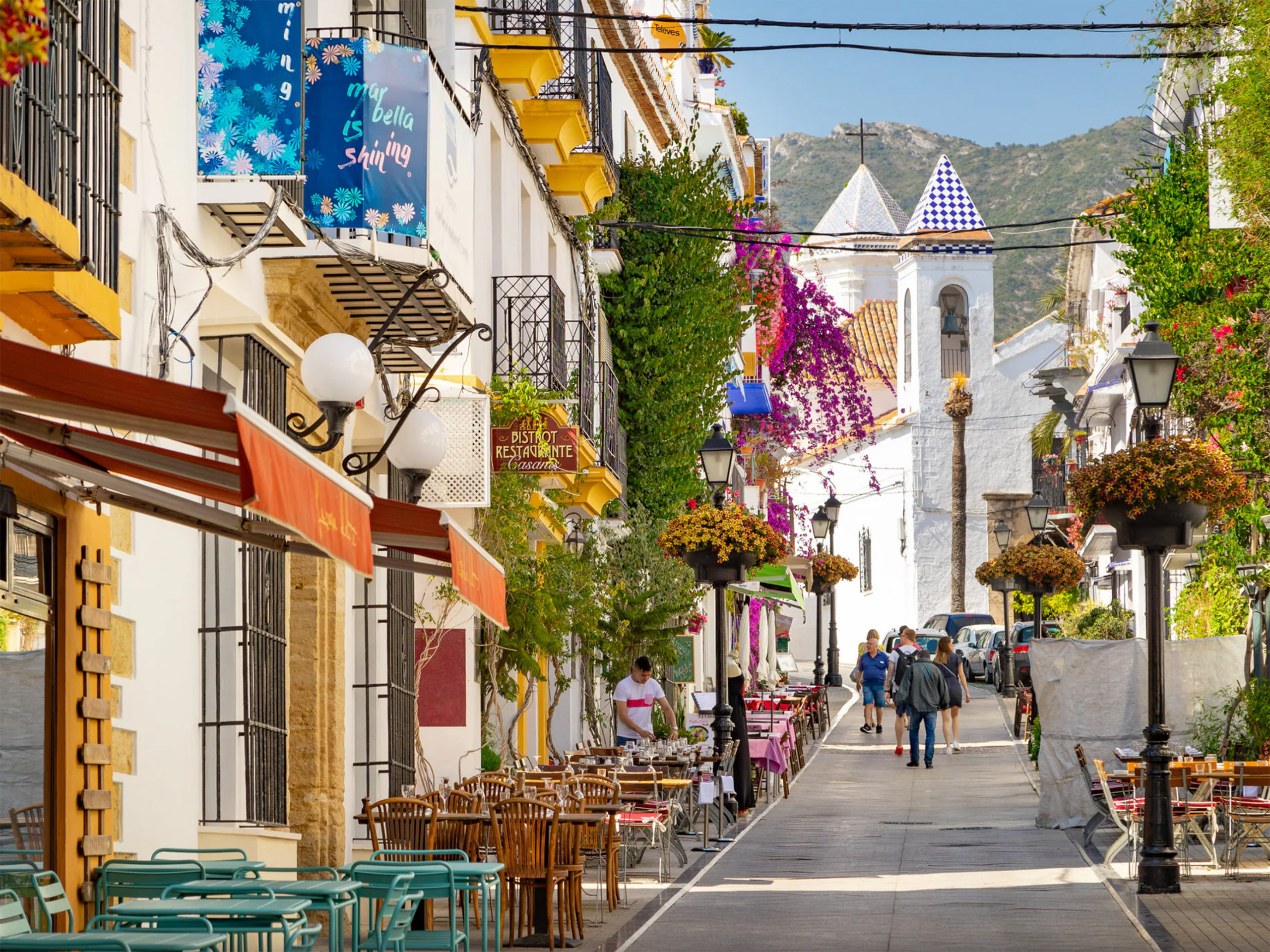
The Old Town is Marbella’s historic centre and one of the most architecturally distinctive areas in the municipality. Characterised by narrow cobbled streets, whitewashed Andalusian buildings, internal courtyards, and small plazas, the district retains much of its traditional urban structure. 
Properties here are primarily traditional townhouses, renovated historic homes, boutique apartments, and mixed-use buildings with commercial premises on lower levels. Many properties have been modernised internally while preserving original façades and architectural features.
The area appeals particularly to buyers seeking character, walkability, and a more authentic urban environment rather than resort-style living. Due to heritage protections and limited redevelopment opportunities, supply remains relatively constrained.
Seafront & Paseo Marítimo
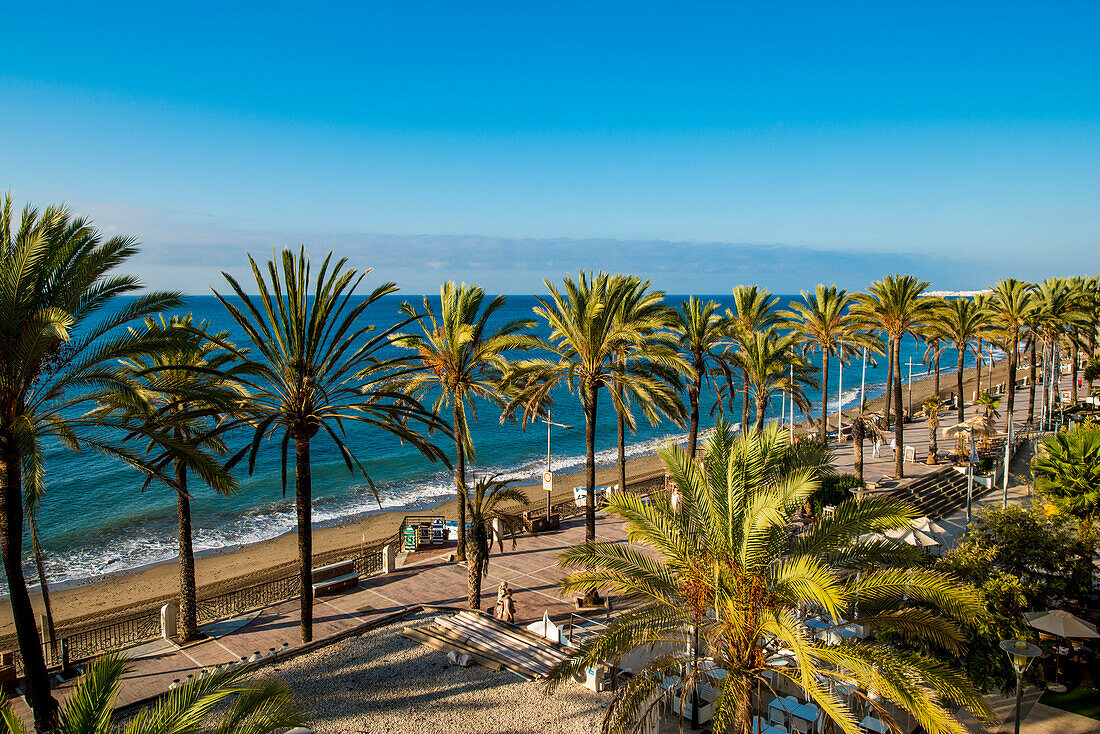
The beachfront section of Marbella Centre runs along the Paseo Marítimo, one of the city’s most active pedestrian promenades. This area consists largely of apartment buildings, penthouses, restaurants, cafés, and hotels positioned directly along the coastline.
Residential stock here ranges from older frontline apartment buildings from the 1970s and 1980s to renovated modernised residences and newer boutique developments. Upper-floor apartments with panoramic sea views command significant premiums due to limited frontline inventory.
The promenade provides direct access to beaches, beach clubs, sports facilities, restaurants, and cycling routes extending west toward the Golden Mile and east toward Marbella East.
Avenida Ricardo Soriano & Central Marbella
Avenida Ricardo Soriano functions as Marbella’s primary commercial artery and connects the western and eastern sections of the city centre. Surrounding streets contain a mixture of residential apartment buildings, offices, retail premises, clinics, and hospitality businesses.
This part of Marbella Centre is more practical and urban in character than the Old Town or beachfront districts. Buyers here are often looking for year-round living, rental investment opportunities, or centrally located apartments within walking distance of services.
Properties generally offer larger internal layouts compared to beachfront units, although architectural character varies considerably depending on building age and location.
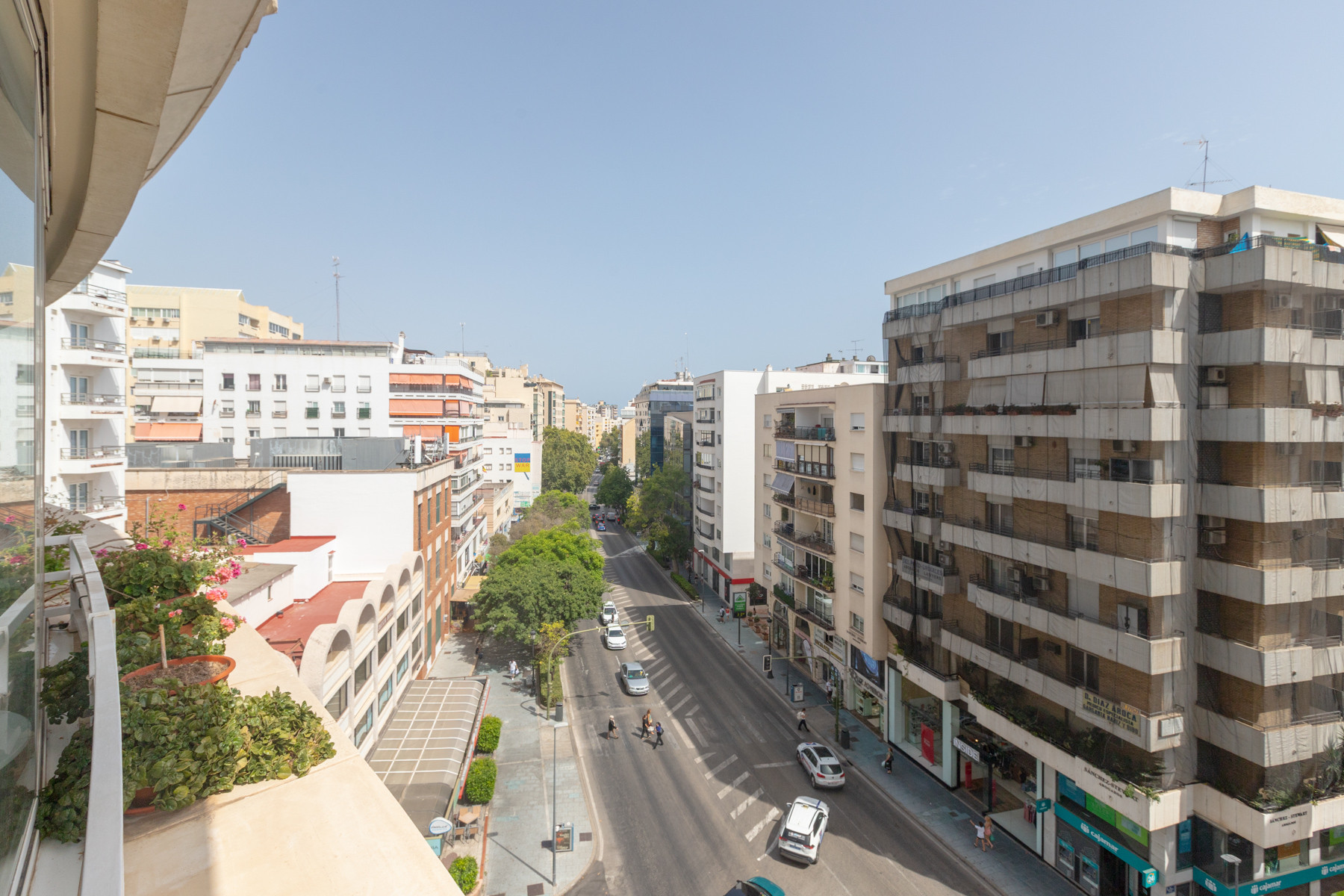
Huerta Belón & Residential Streets Behind the Centre
Located slightly inland from the beachfront and commercial core, residential pockets such as Huerta Belón provide quieter apartment living while remaining within walking distance of the town centre.
These areas typically consist of mid-rise apartment buildings, local residential communities, schools, gyms, supermarkets, and smaller commercial businesses. They are particularly popular among permanent residents and Spanish families due to their practicality and proximity to infrastructure.
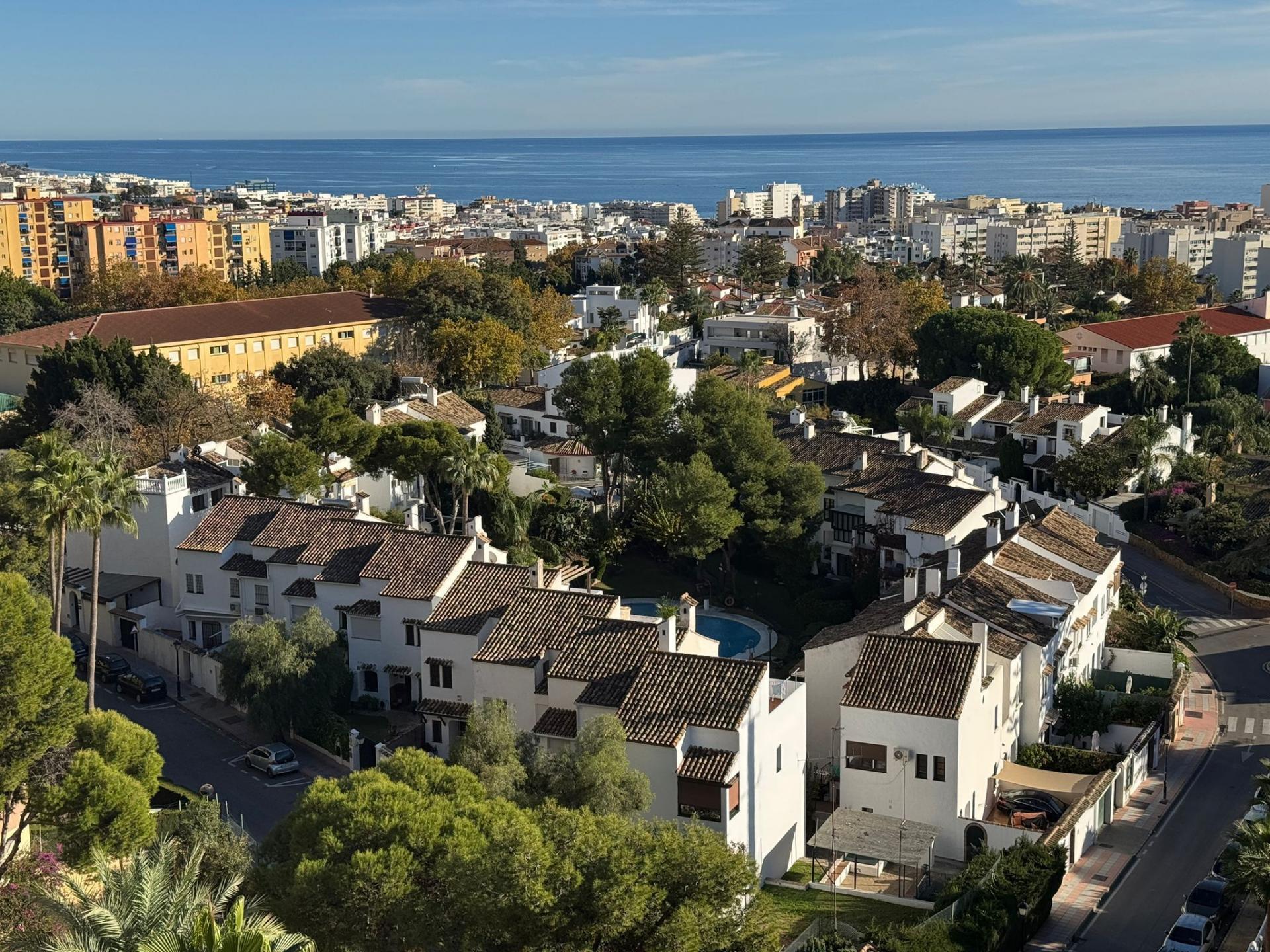
Lifestyle
Marbella Town Centre offers one of the most walkable and active lifestyles on the Costa del Sol, combining beach access, dining, shopping, and daily infrastructure within a compact urban environment. Unlike many residential areas in Marbella that are more resort-oriented and car-dependent, the town centre functions year-round with a strong local atmosphere and continuous activity beyond the summer season.
The area revolves around the Old Town, Paseo Marítimo, and central commercial streets, where residents have easy access to restaurants, cafés, boutiques, gyms, supermarkets, parks, and beaches within walking distance. Plaza de los Naranjos remains the social and cultural heart of Marbella, while the beachfront promenade connects the centre with the Golden Mile and surrounding coastal areas.
Marbella Centre also benefits from proximity to schools, clinics, sports facilities, coworking spaces, and municipal services, making it particularly attractive for permanent residents and buyers spending extended periods in Marbella. Compared to Marbella’s villa communities, the lifestyle here is more urban, connected, and practical, with a stronger emphasis on convenience and everyday accessibility.
Real Estate Market
Marbella Centre is a diverse residential market, with property types ranging from historic townhouses and boutique apartments to frontline penthouses and investment-focused residential units.
The market is heavily influenced by location within the centre itself. Frontline beach properties, upper-floor sea-view apartments, and renovated Old Town homes command the highest values due to limited availability and strong international demand. In contrast, inland apartment stock around Ricardo Soriano and surrounding residential streets tends to offer lower entry prices while still benefiting from central positioning and strong rental demand.
One of the defining characteristics of Marbella Centre is the limited availability of new-build inventory. Due to the established urban structure and lack of large redevelopment plots, most new supply arrives through smaller infill developments or renovation projects rather than large-scale master-planned communities.
Compared to Marbella’s resort-style villa markets, Marbella Centre typically attracts buyers prioritising accessibility, convenience, lifestyle integration, and proximity to daily services over privacy and large plot sizes.
As Marbella continues to mature as an international residential destination rather than purely a seasonal resort market, the town centre is increasingly benefiting from demand for fully integrated urban coastal living.
Continue into the portal - curated inventory, search and discovery.